
Holographic LED Screen vs Transparent LED Film: Key Advantages Compared
As transparent display technology continues to evolve, holographic LED screens and transparent LED films have become two of the most popular solutions for glass storefronts, shopping malls, corporate showrooms, museums, airports, and exhibitions.
Although both technologies create eye-catching transparent digital displays, they are built using completely different structures. These differences have a significant impact on brightness, image quality, durability, maintenance, and overall return on investment.
If you’re deciding between a transparent LED film and a holographic transparent LED display, this guide explains how each technology works and why more professional integrators are choosing holographic LED screens for commercial applications.
What Is a Transparent LED Film?
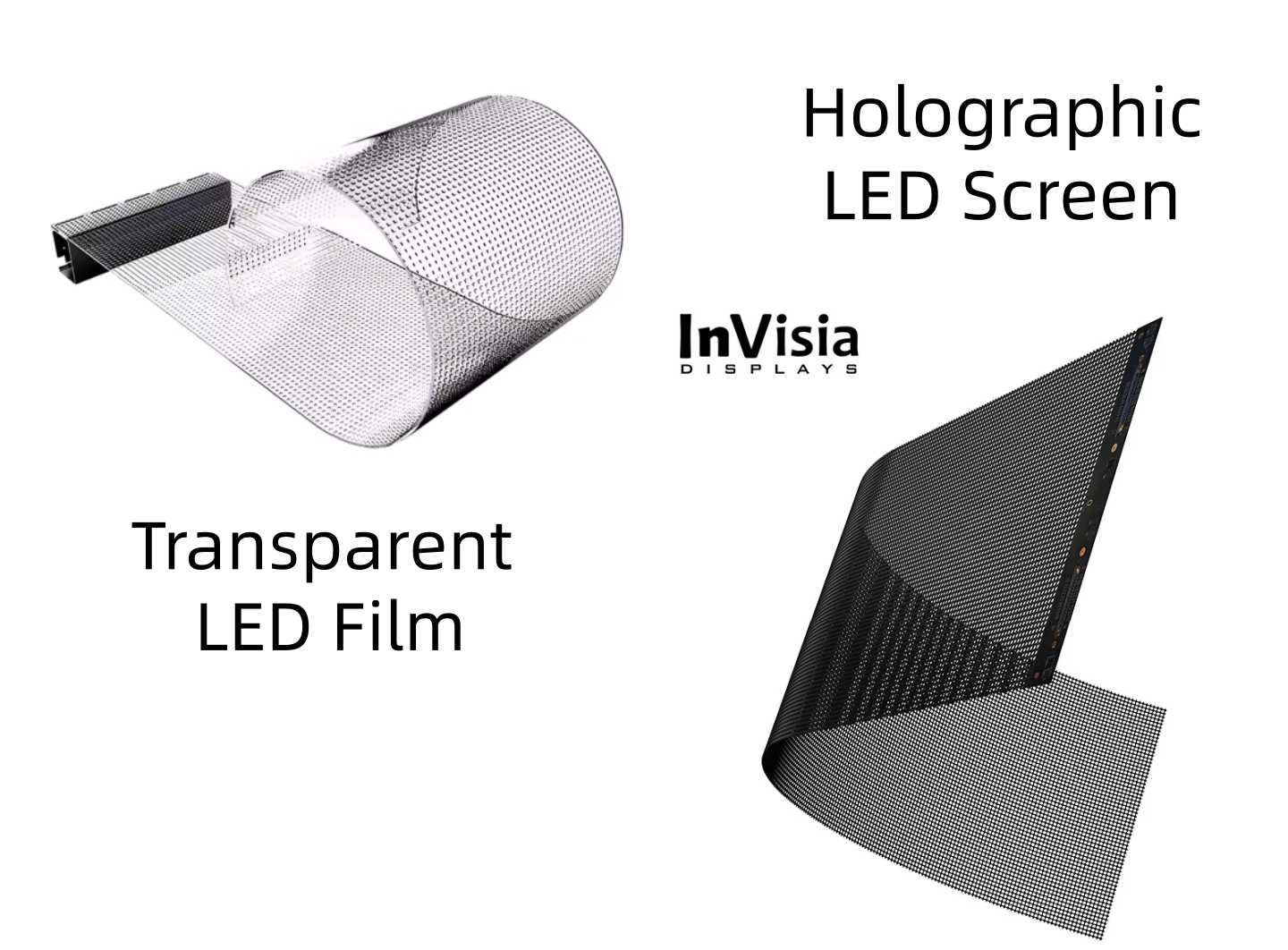
A transparent LED film is manufactured using an ultra-thin flexible transparent substrate. Laser etching creates a transparent conductive circuit, electronic components are mounted onto the film, and the entire assembly is encapsulated using a vacuum lamination process.
Its biggest advantage is flexibility.
The film can be rolled, bent, and directly attached to glass using its built-in adhesive layer, making installation fast without modifying the building structure.
Transparent LED film is suitable for lightweight decorative displays, temporary installations, and projects where preserving the glass appearance is the highest priority.
What Is a Holographic LED Screen?
Unlike transparent LED film, a holographic LED screen uses black hollow PCB. The PCB is designed with large transparent openings, allowing natural light to pass through while maintaining excellent mechanical strength.
Modern holographic LED screens also provide moderate flexibility. LED panels in vertically can typically accommodate curved glass with bending angles of approximately 30°, making them suitable for many architectural designs.
When installed on glass using transparent adhesive or custom mounting methods, the display becomes nearly invisible when turned off while delivering vivid floating images when operating.
Holographic LED Screen vs Transparent LED Film
1. Superior Brightness for Daylight Applications
One of the biggest differences is brightness.
Transparent LED films are limited by their conductive layer and thermal design. Increasing brightness generates more heat, which reduces reliability.
Holographic LED screens use PCB with much better heat dissipation, allowing significantly higher brightness.
For retail storefronts facing direct sunlight, higher brightness is essential to ensure advertising content remains visible throughout the day.
2. Higher Contrast Produces Better Holographic Effects
The transparent substrate used in LED film reflects ambient light, especially under sunlight or indoor spotlights.
This reflection reduces contrast and weakens the floating holographic effect.
Holographic LED screens use a black PCB background, which naturally absorbs stray light rather than reflecting it. The result is deeper blacks, higher contrast, more vivid colors, and stronger floating visual effects. This is especially important for luxury retail displays and digital window advertising.
3. Better Heat Dissipation Means Longer Lifespan
Transparent LED film encapsulates electronic components within a laminated flexible structure.
Although compact, this design makes heat dissipation more challenging during long-term high-brightness operation.
Holographic LED screens use PCB with optimized copper thickness and thermal pathways that transfer heat efficiently away from LEDs and driver circuits.
4. Safer for Commercial Installations
Commercial buildings often operate LED displays for 10–16 hours every day. Stable electrical performance is therefore critical.
Professional holographic LED screens typically incorporate:
- Multi-layer PCB design
- Thicker copper circuits
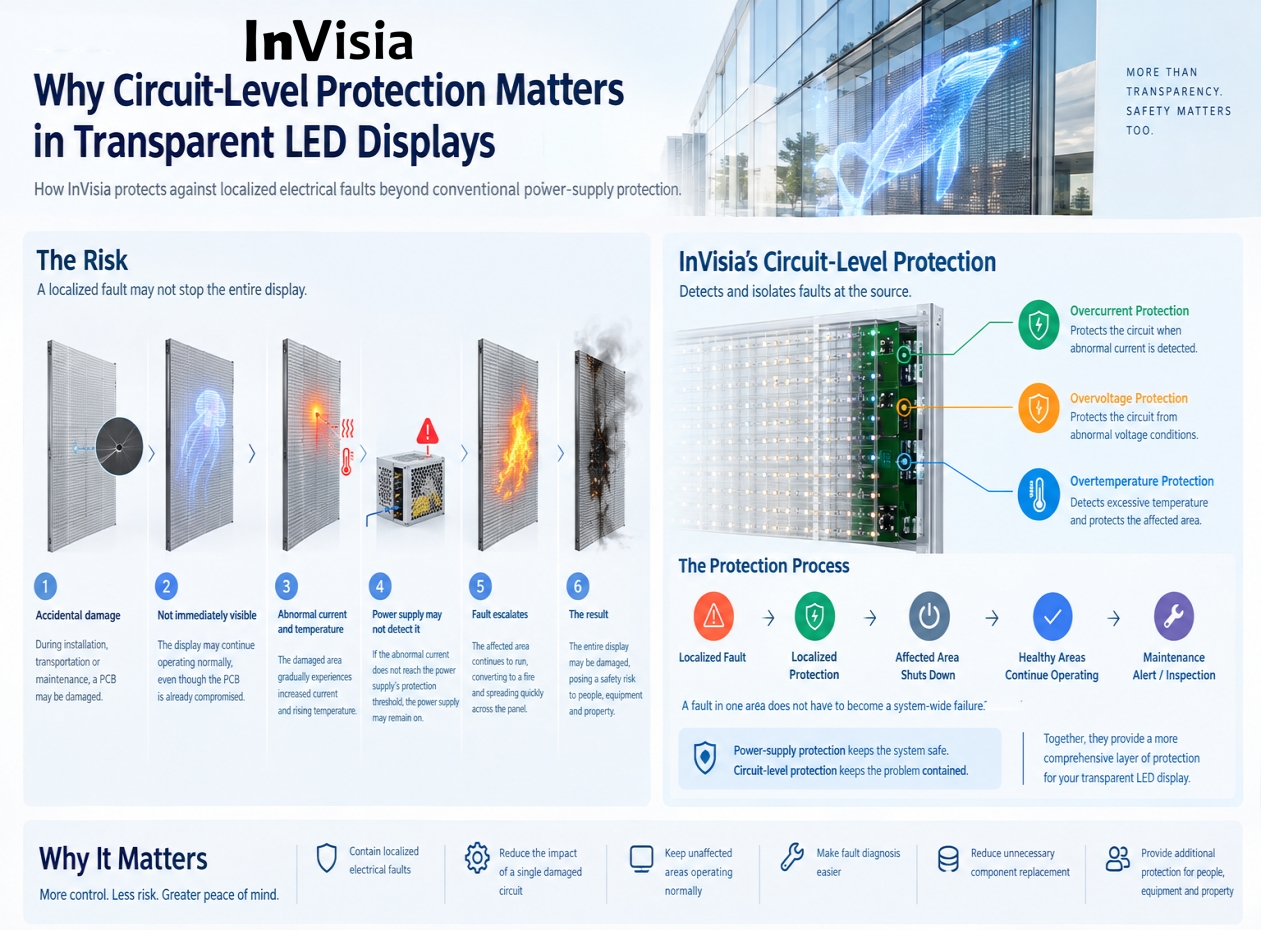
- Electrical protection circuits
- Better thermal management
These features reduce electrical stress and improve operational safety during continuous use. For premium commercial projects, reliability is often more important than achieving the thinnest possible display.
5. Better Image Quality
Holographic LED screens support much finer pixel pitches than transparent LED films. InVisia’s latest P2.0 Holographic Transparent LED Display—currently the world’s finest pixel pitch in the holographic LED industry—delivers higher brightness, superior grayscale, higher contrast, and reduced ambient light interference. The result is exceptional image clarity, crisp text, vibrant colors, smooth color transitions, and remarkably realistic holographic visuals.
6. Easier Maintenance
If an LED or circuit fails, maintenance becomes an important consideration.
Transparent LED film is manufactured as an integrated laminated sheet, making repairs more complex and often requiring replacement of larger sections.
Holographic screens are easier to replace the LEDs, allowing damaged sections to be serviced or replaced more efficiently, reducing downtime and maintenance costs.
7. Greater Customization for Commercial Projects
Both technologies can be customized.
However, holographic LED screens generally offer greater flexibility for professional projects, including:
- Custom pixel pitches
- Irregular display shapes
- Double-sided transparent displays
- Hanging or freestanding configurations
This makes them suitable for flagship stores, museums, airports, automotive showrooms, and corporate experience centers.
Which LED Display Solution Is Right for You?
Choose Transparent LED Film if you need:
- Maximum flexibility
- Quick installation on existing glass
- Lightweight decorative applications
Choose Holographic LED Screen if you need:
- Superior image quality
- High brightness for daylight viewing
- Better contrast
- Long-term reliability
- Easier maintenance
- Premium commercial performance
For businesses that rely on impactful digital advertising, the holographic LED screen typically delivers a stronger long-term return on investment thanks to its durability, visual performance, and lower maintenance costs.
Why InVisia Holographic LED Screens Stand Out
Unlike conventional holographic displays, InVisia Displays focuses on commercial-grade engineering designed for demanding retail and architectural projects.
Key advantages include:
- Four-layer PCB architecture with 2 oz copper thickness for exceptional heat dissipation and stable high-brightness performance.
- Black nano-coated PCB that absorbs ambient reflections, producing deeper blacks and stronger holographic effects than conventional reflective surfaces.
- Up to 90% transparency, allowing displays to blend seamlessly into glass façades while preserving natural daylight.
- Custom installation solutions, including glass-mounted, suspended, curved-glass, and freestanding configurations.
- Professional safety protection with optimized circuit design for reliable long-term operation in commercial environments.
Whether you’re designing a luxury retail storefront, museum exhibit, corporate showroom, or airport digital display, InVisia holographic LED screens combine outstanding transparency with the brightness, reliability, and visual impact required for professional installations.
Frequently Asked Questions
Is a holographic LED screen the same as transparent LED film?
No. Transparent LED film uses a flexible transparent substrate with etched conductive circuits, while a holographic LED screen uses black hollow PCB panels with mounted LEDs. Their structures, performance, and maintenance characteristics are significantly different.
Which display is brighter?
Holographic LED screens are generally much brighter because their PCB-based design provides better heat dissipation, allowing higher light output without compromising reliability.
Which technology is better for retail storefronts?
For storefronts exposed to strong ambient light or direct sunlight, holographic LED screens usually offer better visibility, higher contrast, and a more striking holographic effect.
 https://invisiadisplays.com/wp-content/uploads/2026/10/InVisia-circuit-protection.jpg
930
1261
administrator
https://invisiadisplays.com/wp-content/uploads/2026/09/logo.png
administrator2026-10-15 08:23:422026-10-16 07:20:20Why Circuit Protection Matters in Transparent LED Displays
https://invisiadisplays.com/wp-content/uploads/2026/10/InVisia-circuit-protection.jpg
930
1261
administrator
https://invisiadisplays.com/wp-content/uploads/2026/09/logo.png
administrator2026-10-15 08:23:422026-10-16 07:20:20Why Circuit Protection Matters in Transparent LED Displays https://invisiadisplays.com/wp-content/uploads/2026/10/InVisia-Custom-Curved-transparent-LED-Door.webp
1062
1440
administrator
https://invisiadisplays.com/wp-content/uploads/2026/09/logo.png
administrator2026-10-14 09:25:202026-10-14 09:25:22Protected: Custom-Cut Curved Transparent LED Door
https://invisiadisplays.com/wp-content/uploads/2026/10/InVisia-Custom-Curved-transparent-LED-Door.webp
1062
1440
administrator
https://invisiadisplays.com/wp-content/uploads/2026/09/logo.png
administrator2026-10-14 09:25:202026-10-14 09:25:22Protected: Custom-Cut Curved Transparent LED Door https://invisiadisplays.com/wp-content/uploads/2026/09/ViTra-Pro-transparent-LED-mesh-for-rental.webp
1062
1440
administrator
https://invisiadisplays.com/wp-content/uploads/2026/09/logo.png
administrator2026-10-05 15:00:232026-10-09 08:29:25Why Professional AV Companies Choose ViTra Pro for Rental
https://invisiadisplays.com/wp-content/uploads/2026/09/ViTra-Pro-transparent-LED-mesh-for-rental.webp
1062
1440
administrator
https://invisiadisplays.com/wp-content/uploads/2026/09/logo.png
administrator2026-10-05 15:00:232026-10-09 08:29:25Why Professional AV Companies Choose ViTra Pro for Rental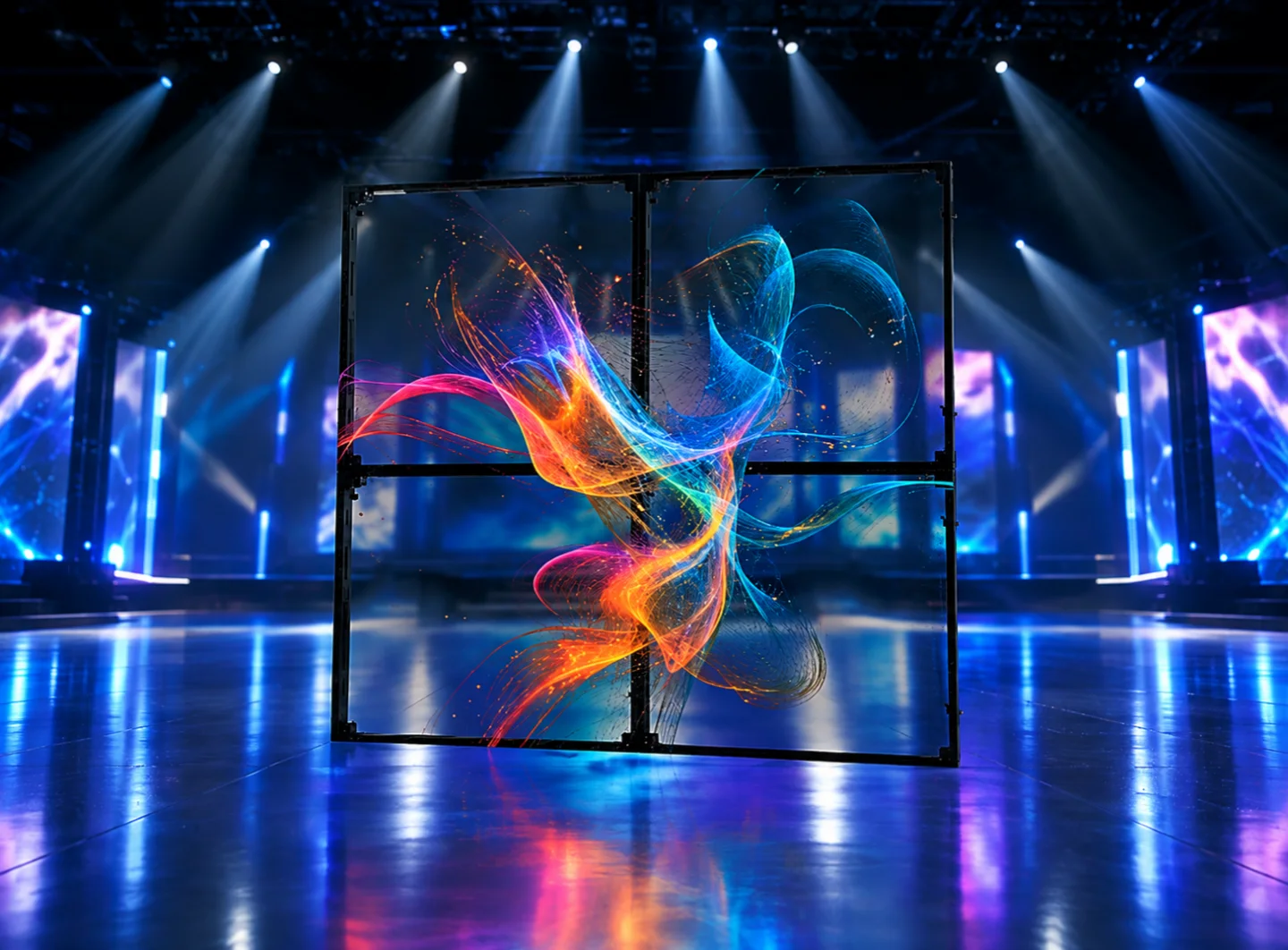 https://invisiadisplays.com/wp-content/uploads/2026/09/Transparent-LED-Mesh-Suitable-for-Rental.webp
1062
1440
administrator
https://invisiadisplays.com/wp-content/uploads/2026/09/logo.png
administrator2026-09-28 10:48:012026-09-28 10:48:02Is Transparent LED Mesh Suitable for Rental?
https://invisiadisplays.com/wp-content/uploads/2026/09/Transparent-LED-Mesh-Suitable-for-Rental.webp
1062
1440
administrator
https://invisiadisplays.com/wp-content/uploads/2026/09/logo.png
administrator2026-09-28 10:48:012026-09-28 10:48:02Is Transparent LED Mesh Suitable for Rental? https://invisiadisplays.com/wp-content/uploads/2026/09/Celebrating-Mid-Autumn-Festival-with-InVisia.webp
1062
1440
administrator
https://invisiadisplays.com/wp-content/uploads/2026/09/logo.png
administrator2026-09-24 08:36:452026-09-24 08:36:48Celebrating Mid-Autumn Festival with InVisia
https://invisiadisplays.com/wp-content/uploads/2026/09/Celebrating-Mid-Autumn-Festival-with-InVisia.webp
1062
1440
administrator
https://invisiadisplays.com/wp-content/uploads/2026/09/logo.png
administrator2026-09-24 08:36:452026-09-24 08:36:48Celebrating Mid-Autumn Festival with InVisia https://invisiadisplays.com/wp-content/uploads/2026/08/Custom-Hanging-Holographic-LED-Displays-for-Retail-Windows.webp
1062
1440
administrator
https://invisiadisplays.com/wp-content/uploads/2026/09/logo.png
administrator2026-08-26 08:22:182026-08-26 08:22:20Custom OEM Transparent LED Display for Retail
https://invisiadisplays.com/wp-content/uploads/2026/08/Custom-Hanging-Holographic-LED-Displays-for-Retail-Windows.webp
1062
1440
administrator
https://invisiadisplays.com/wp-content/uploads/2026/09/logo.png
administrator2026-08-26 08:22:182026-08-26 08:22:20Custom OEM Transparent LED Display for Retail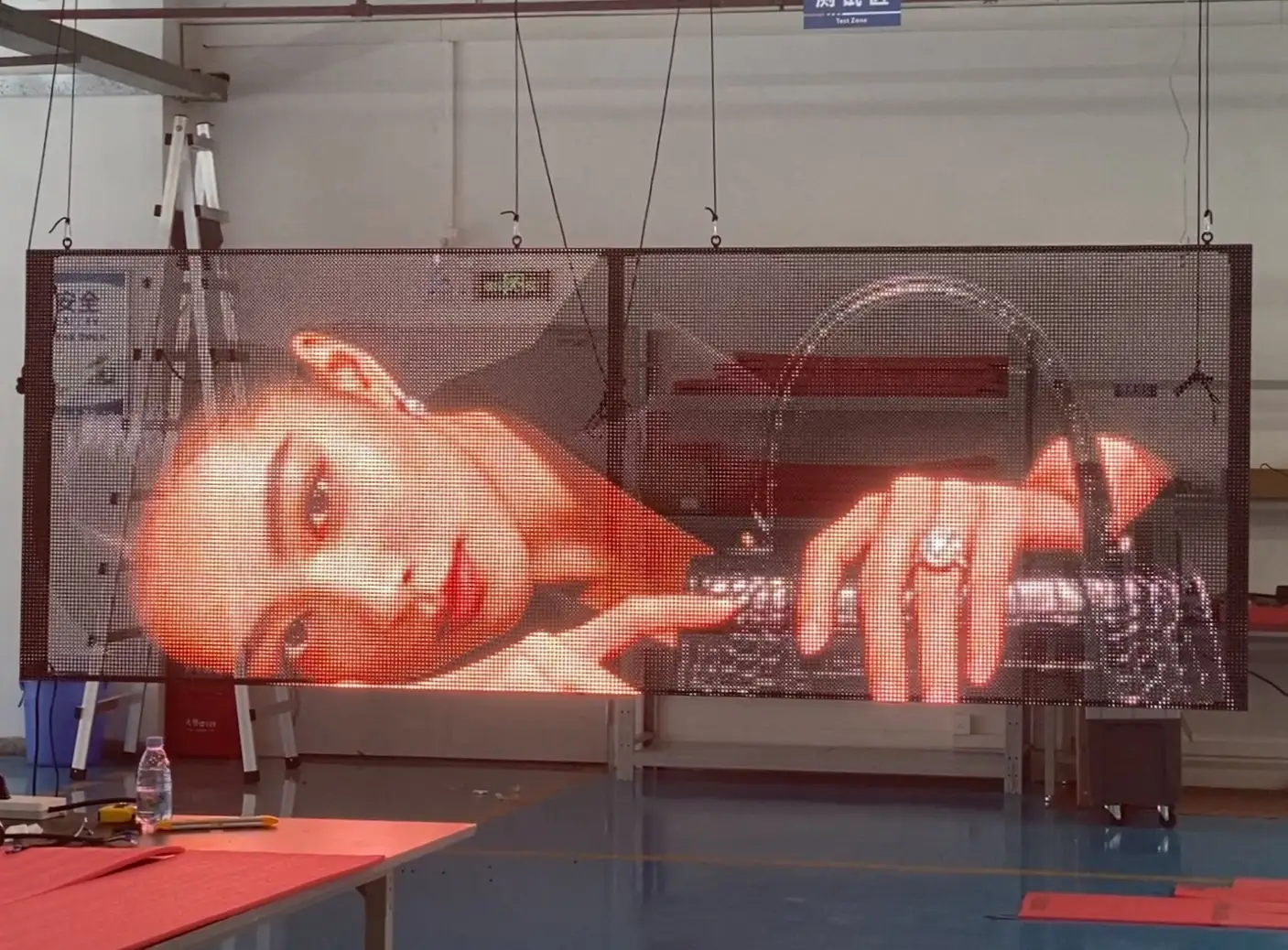 https://invisiadisplays.com/wp-content/uploads/2026/08/P10-Belgium-case.webp
1038
1407
administrator
https://invisiadisplays.com/wp-content/uploads/2026/09/logo.png
administrator2026-08-13 09:21:502026-08-31 06:57:11P10 6000-Nit Transparent LED Window Display in Belgium
https://invisiadisplays.com/wp-content/uploads/2026/08/P10-Belgium-case.webp
1038
1407
administrator
https://invisiadisplays.com/wp-content/uploads/2026/09/logo.png
administrator2026-08-13 09:21:502026-08-31 06:57:11P10 6000-Nit Transparent LED Window Display in Belgium https://invisiadisplays.com/wp-content/uploads/2026/07/What-defines-high-quality-LED-display-performance.webp
1062
1440
administrator
https://invisiadisplays.com/wp-content/uploads/2026/09/logo.png
administrator2026-07-30 03:42:302026-07-30 03:45:47What Defines High-Quality LED Display Performance?
https://invisiadisplays.com/wp-content/uploads/2026/07/What-defines-high-quality-LED-display-performance.webp
1062
1440
administrator
https://invisiadisplays.com/wp-content/uploads/2026/09/logo.png
administrator2026-07-30 03:42:302026-07-30 03:45:47What Defines High-Quality LED Display Performance? https://invisiadisplays.com/wp-content/uploads/2026/07/monoview-holographic-invisible-LED-banner.webp
1062
1440
administrator
https://invisiadisplays.com/wp-content/uploads/2026/09/logo.png
administrator2026-07-22 06:42:482026-07-22 06:42:49MonoView P3.9 Hanging Transparent LED Display for Retail
https://invisiadisplays.com/wp-content/uploads/2026/07/monoview-holographic-invisible-LED-banner.webp
1062
1440
administrator
https://invisiadisplays.com/wp-content/uploads/2026/09/logo.png
administrator2026-07-22 06:42:482026-07-22 06:42:49MonoView P3.9 Hanging Transparent LED Display for Retail
 5th Floor, Building 9, Hengchangrong High-Tech Industrial Park, Bao'an District, Shenzhen 518128, China


